Pennsylvania Aging-in-Place Contractors
Find 20 home modification specialists in Pennsylvania for bathroom accessibility, stairlifts, ramps, and more. 1 contractor is CAPS-certified (Certified Aging-in-Place Specialist).
Pennsylvania has one of the largest senior populations in the United States, with millions of residents aged 65 and older living across a diverse mix of urban centers like Philadelphia and Pittsburgh, mid-size cities, and expansive rural communities. Many older Pennsylvanians want to remain in their homes as they age, driving steady demand for modifications such as grab bar installation, stairlift fitting, roll-in shower conversions, widened doorways, and ramp construction. Finding a qualified contractor matters — this directory lists CAPS-certified (Certified Aging-in-Place Specialist) professionals throughout Pennsylvania who are trained to assess homes and recommend modifications tailored to individual mobility and safety needs.
Medicaid & State Programs
Pennsylvania administers several Medicaid Home and Community Based Services waivers that may help qualifying residents fund home modifications. Older adults and people with physical disabilities may be eligible for programs such as the Aging Waiver or related HCBS waivers, which can cover certain environmental modifications alongside personal care services. Eligibility is based on functional need, income, and available waiver slots, which can be limited. The best starting point is your local Area Agency on Aging, which can assess eligibility, connect you with waiver enrollment, and identify other state-funded supports. Contact Pennsylvania's Department of Human Services or visit the PA Department of Aging website to find your regional agency.
Other Funding Options
Veterans in Pennsylvania may qualify for federal VA grants including the Specially Adapted Housing grant, Special Housing Adaptation grant, or the Home Improvements and Structural Alterations program, which can offset costs of accessibility modifications. Rebuilding Together has active chapters in Pennsylvania and provides home repair and modification assistance to lower-income homeowners, often at no cost. Habitat for Humanity affiliates across the state also offer home repair programs for qualifying residents. Some counties offer low-interest loan programs through community development offices. Costs vary by project — request multiple written quotes.
Building Codes & Permits
Pennsylvania adopted the Uniform Construction Code statewide, which standardizes permit requirements across counties and municipalities. Most structural modifications — including widening doorways, installing permanent ramps exceeding 30 inches in height, and attaching stairlifts to load-bearing walls — require a building permit. Bathroom remodels that involve moving plumbing typically require a plumbing permit as well. Requirements can vary by township, borough, or municipality, so check with your local building code office before beginning work to confirm what permits apply to your project.
Typical Project Costs
Project costs in Pennsylvania are generally aligned with national averages, though labor rates in the Philadelphia and Pittsburgh metros tend to run somewhat higher than in rural parts of the state. Typical ranges: grab bar installation $150–$500 depending on number and wall type; tub-to-shower conversion $5,000–$15,000; straight stairlift $3,000–$8,000, curved stairlift $8,000–$15,000; full accessible bathroom remodel $10,000–$25,000. Entryway ramps and threshold modifications vary widely based on elevation and materials. Costs depend on contractor, location, and project scope — always obtain at least two or three written quotes before committing.
Top Contractors in Pennsylvania
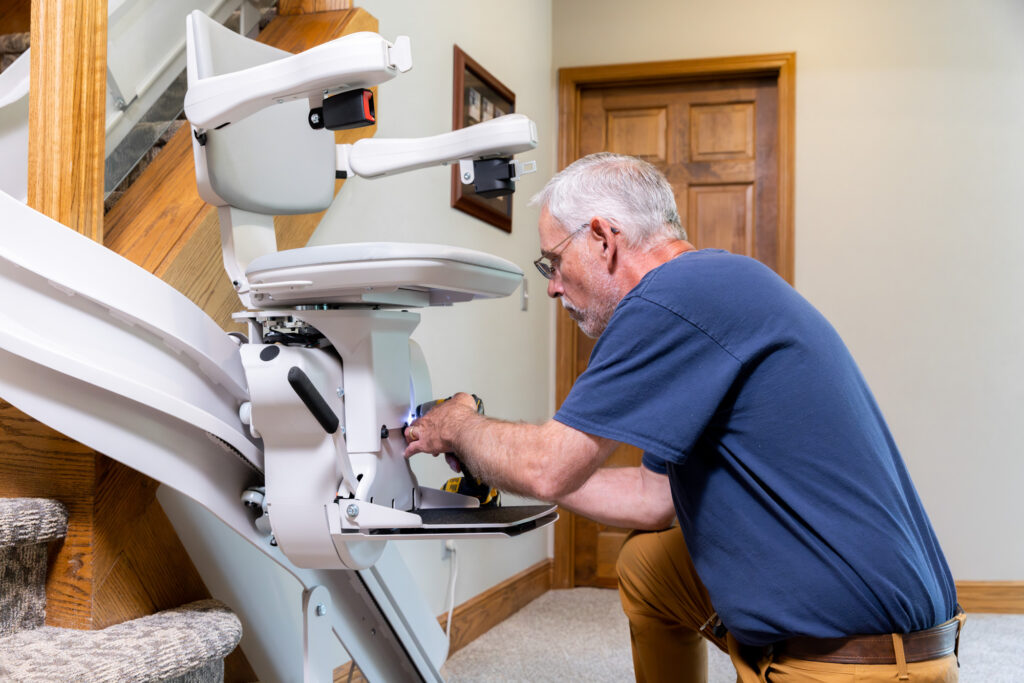
Independent Home Solutions - Stairlifts, Ramps and Walk in Showers
📍 Lancaster, PA
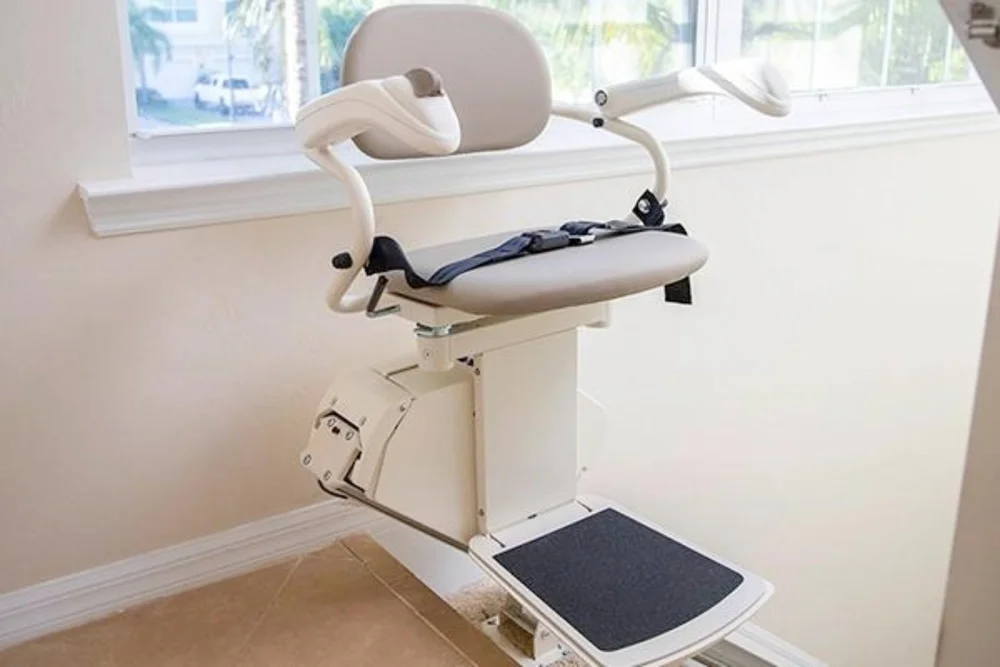
Independent Home Solutions - Stairlifts, Ramps and Walk in Showers
📍 Kansas City, MO
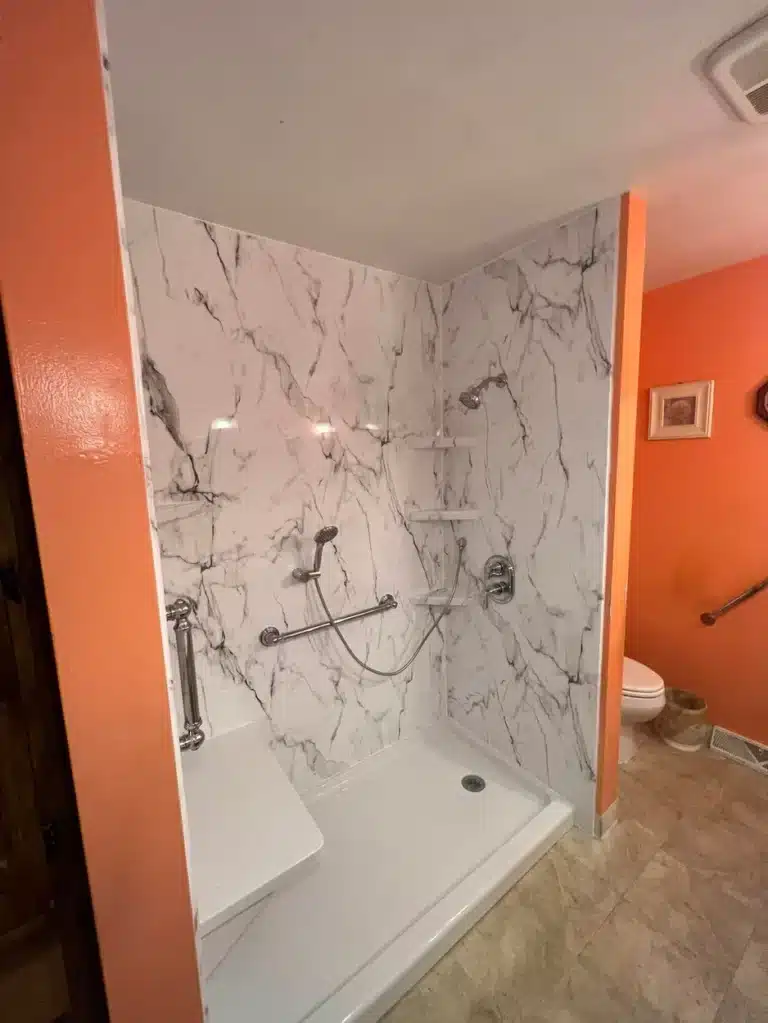
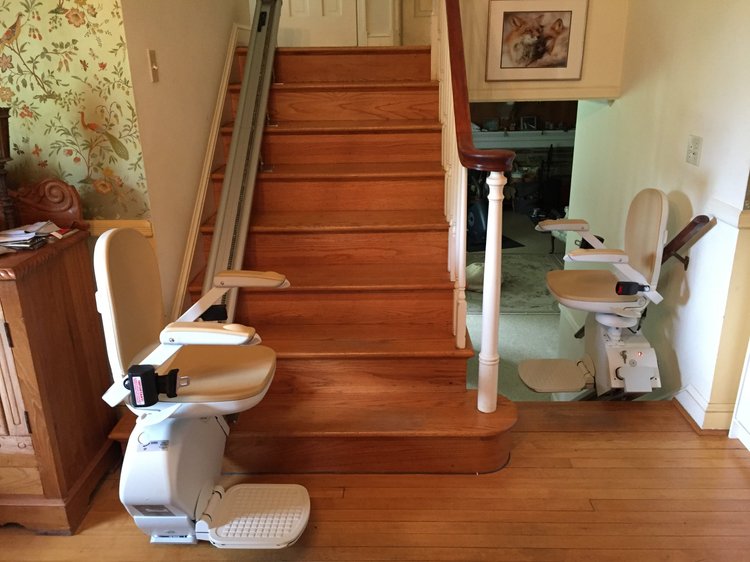
Resources for Families in Pennsylvania
Frequently Asked Questions
How many aging-in-place contractors are in Pennsylvania?
There are 20 aging-in-place contractors listed in Pennsylvania on Aging-in-Place Finder, including 1 who hold CAPS (Certified Aging-in-Place Specialist) certification.
What is a CAPS-certified contractor?
CAPS stands for Certified Aging-in-Place Specialist, a designation issued by the National Association of Home Builders (NAHB). CAPS-certified contractors have completed specialized training in home modifications that help seniors and people with disabilities live safely and independently at home.
What services do aging-in-place contractors in Pennsylvania offer?
Aging-in-place contractors in Pennsylvania typically offer bathroom modifications (grab bars, walk-in showers, roll-in showers), stairlift and ramp installation, doorway widening, non-slip flooring, and full home accessibility assessments.
How much does aging-in-place home modification cost in Pennsylvania?
Costs vary by project scope. Simple modifications like grab bar installation typically range from $150–$500. Bathroom remodels for accessibility can cost $3,000–$15,000. Full home assessments and multi-room modifications can range from $10,000–$50,000+. Request free quotes from contractors listed above to get accurate estimates for your project.
What home modification programs are available in Pennsylvania?
Pennsylvania residents may have access to several funding sources. Medicaid HCBS waivers, such as the Aging Waiver, can cover certain home modifications for qualifying low-income seniors and people with disabilities — contact your local Area Agency on Aging to check eligibility. Veterans may qualify for VA SHA, SAH, or HISA grants regardless of income. Nonprofits like Rebuilding Together and Habitat for Humanity affiliates provide assistance to lower-income homeowners. Some county community development offices also administer accessible home repair loan programs.
Does Medicare cover home modifications in Pennsylvania?
Original Medicare does not cover home modifications such as grab bars, ramps, or stairlifts because they are considered home improvements rather than durable medical equipment. However, some Medicare Advantage plans available in Pennsylvania include supplemental benefits that may cover certain accessibility modifications. Coverage varies significantly by plan and insurer. Review your plan's evidence of coverage or call your plan's member services line to ask specifically whether home modification benefits are included and what documentation is required.
How do I find a CAPS-certified contractor in Pennsylvania?
Use the filter on this directory to display contractors who hold the Certified Aging-in-Place Specialist credential, awarded by the National Association of Home Builders. CAPS training covers accessibility standards, aging-related needs, and universal design principles. Once you identify candidates, verify that each holds a valid Pennsylvania contractor registration or applicable trade license and carries general liability insurance. Request references from past aging-in-place projects, and obtain written quotes from at least two or three contractors before making a decision.