Maryland Aging-in-Place Contractors
Find 45 home modification specialists in Maryland for bathroom accessibility, stairlifts, ramps, and more. 1 contractor is CAPS-certified (Certified Aging-in-Place Specialist).
Serving 3 cities across Maryland, including Annapolis, Baltimore, Linthicum Heights.
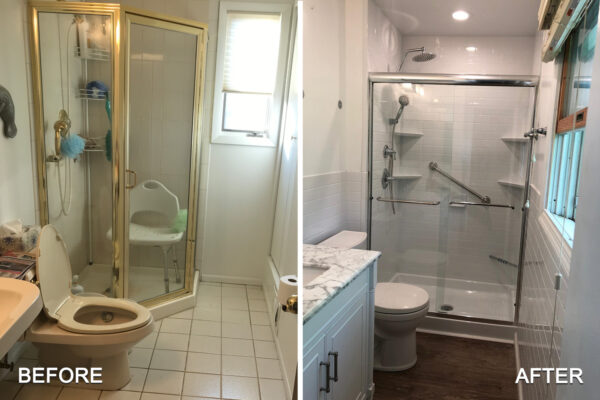
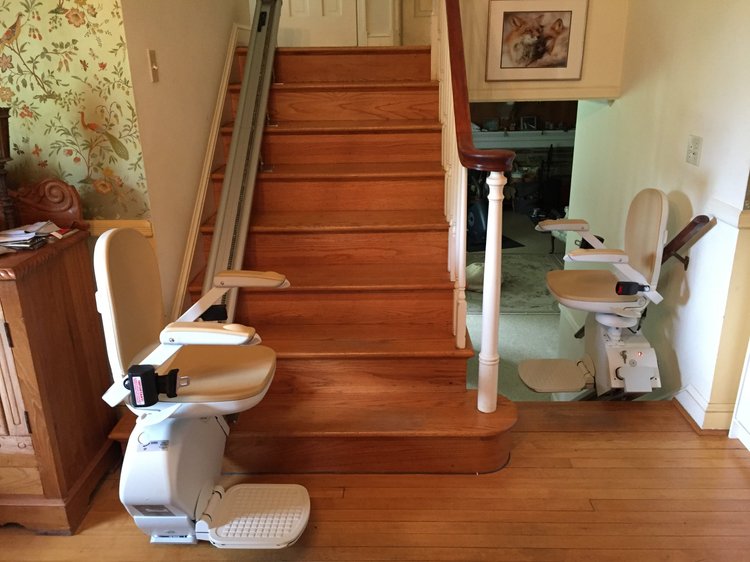
Maryland's population of older adults spans a wide range of communities — from the dense suburbs of Montgomery and Prince George's counties near Washington, D.C., to the historic neighborhoods of Baltimore and the quieter rural counties of the Eastern Shore and Western Maryland. As more residents choose to remain in their homes as they age, demand for professional home modification services continues to grow across the state. Common projects include grab bar installation, walk-in shower conversions, stairlift installation, ramp construction, and widening doorways for wheelchair and walker access. This directory lists aging-in-place contractors in Maryland, including those who hold the Certified Aging-in-Place Specialist (CAPS) designation from the National Association of Home Builders, helping you find qualified professionals in your area.
Medicaid & State Programs
Maryland's Medicaid program offers Home and Community Based Services (HCBS) waivers that may help eligible residents fund certain home modifications to support independent living. Qualifying individuals — typically those who meet nursing-facility-level care criteria and income limits — may be able to access services or supports that include environmental modifications. Because waiver eligibility rules, covered services, and available slots change over time, the best first step is to contact your local Area Agency on Aging in Maryland or reach out to the Maryland Department of Health's Office of Health Services directly. They can walk you through current waiver options, waitlists, and how to apply based on your county of residence.
Other Funding Options
Veterans living in Maryland may qualify for federal VA grants — including the Specially Adapted Housing (SAH) grant, the Special Housing Adaptation (SHA) grant, or the Home Improvements and Structural Alterations (HISA) benefit — to fund accessibility modifications. Nonprofits such as Rebuilding Together, which operates chapters in the Baltimore metro area and other parts of Maryland, provide no-cost repairs and modifications for qualifying low-income homeowners. Your county's Area Agency on Aging may also administer local assistance programs. Costs vary by project and contractor — request multiple written quotes before committing.
Building Codes & Permits
Most home modification projects in Maryland require permits when they involve structural changes, including widening doorways, adding exterior ramps, or attaching stairlifts to load-bearing walls. Bathroom modifications that involve moving or adding plumbing typically require a plumbing permit. Maryland counties and municipalities administer their own permitting processes, so requirements can differ significantly between, for example, Montgomery County, Baltimore City, and a rural county on the Eastern Shore. Always check with your local building department before starting work to confirm which permits apply to your specific project.
Typical Project Costs
Project costs in Maryland are often somewhat higher than national averages, particularly in the Washington, D.C. suburbs and the Baltimore metro area where labor and material costs tend to be elevated. As a general guide, grab bar installation typically runs $150 to $500 per bar depending on wall type and placement. Tub-to-shower conversions generally range from $5,000 to $15,000. Stairlift installation typically costs $3,000 to $8,000 for a straight staircase or $8,000 to $15,000 for a curved one. Full accessible bathroom remodels commonly range from $10,000 to $25,000 or more. Prices vary by county, contractor, and project scope.
Browse Aging-in-Place Contractors by City in Maryland
Top Contractors in Maryland
Southern Maryland Kitchen Bath Floors & Design
📍 California, MD



Resources for Families in Maryland
Frequently Asked Questions
How many aging-in-place contractors are in Maryland?
There are 45 aging-in-place contractors listed in Maryland on Aging-in-Place Finder, including 1 who hold CAPS (Certified Aging-in-Place Specialist) certification.
What is a CAPS-certified contractor?
CAPS stands for Certified Aging-in-Place Specialist, a designation issued by the National Association of Home Builders (NAHB). CAPS-certified contractors have completed specialized training in home modifications that help seniors and people with disabilities live safely and independently at home.
What services do aging-in-place contractors in Maryland offer?
Aging-in-place contractors in Maryland typically offer bathroom modifications (grab bars, walk-in showers, roll-in showers), stairlift and ramp installation, doorway widening, non-slip flooring, and full home accessibility assessments.
How much does aging-in-place home modification cost in Maryland?
Costs vary by project scope. Simple modifications like grab bar installation typically range from $150–$500. Bathroom remodels for accessibility can cost $3,000–$15,000. Full home assessments and multi-room modifications can range from $10,000–$50,000+. Request free quotes from contractors listed above to get accurate estimates for your project.
What home modification programs are available in Maryland?
Maryland residents may have access to several funding sources. Medicaid HCBS waivers can help eligible individuals with certain home modifications — contact the Maryland Department of Health or your local Area Agency on Aging to learn about current waiver availability and eligibility. Veterans may qualify for VA SAH, SHA, or HISA grants regardless of income. Local nonprofits such as Rebuilding Together serve some Maryland communities with no-cost home repair and accessibility work for qualifying homeowners. Your county's Area Agency on Aging is often the best starting point for navigating available local and state resources.
Does Medicare cover home modifications in Maryland?
Original Medicare (Parts A and B) generally does not cover home modifications such as grab bars, ramps, stairlifts, or bathroom remodels. However, some Medicare Advantage plans available in Maryland do include supplemental benefits that may cover certain accessibility improvements or home safety assessments. Coverage varies significantly by plan. If you are enrolled in a Medicare Advantage plan, review your plan's Evidence of Coverage document or call your plan directly to ask what home modification benefits, if any, are included for the current plan year.
How do I find a CAPS-certified contractor in Maryland?
Use this directory's search tools to filter for contractors in Maryland who hold the CAPS (Certified Aging-in-Place Specialist) designation, which indicates training in accessibility design and home modification best practices. Once you have a list of candidates, verify that each contractor holds a valid Maryland home improvement contractor license and carries general liability insurance and workers' compensation coverage. It is advisable to get two or three written quotes before selecting a contractor, and to ask for references from past aging-in-place or accessibility projects specifically.