North Carolina Aging-in-Place Contractors
Find 10 home modification specialists in North Carolina for bathroom accessibility, stairlifts, ramps, and more.
North Carolina's senior population spans a wide range of settings — from the coastal communities of the Outer Banks and Wilmington to the urban corridors of Charlotte, Raleigh, and Durham, and the rural mountain towns of the western region. This geographic diversity means aging-in-place needs vary considerably, but the goal is consistent: helping older adults remain safely and independently in their homes. Common modifications include grab bar installation, walk-in shower conversions, widened doorways for wheelchair access, stairlift installation, and improved exterior accessibility. This directory lists contractors in North Carolina who hold the Certified Aging-in-Place Specialist (CAPS) credential, a designation from the National Association of Home Builders indicating training in accessibility and universal design principles.
Medicaid & State Programs
North Carolina's Medicaid program offers Home and Community Based Services (HCBS) waivers that may help qualifying residents remain in their homes rather than transition to institutional care. The Community Alternatives Program for Disabled Adults (CAP/DA) is one such waiver available in North Carolina; it serves adults who would otherwise require nursing facility care and may cover certain home modification services for eligible enrollees. Availability, covered services, and eligibility criteria can change, so contact your local Area Agency on Aging or the NC Division of Health Benefits (Medicaid) to verify current coverage and to begin the application process. Your county's Department of Social Services is also a good starting point.
Other Funding Options
Veterans living in North Carolina may qualify for federal VA grants regardless of the state, including the Specially Adapted Housing (SAH) grant, the Special Home Adaptation (SHA) grant, and the Home Improvement and Structural Alterations (HISA) benefit, which covers medically necessary home modifications. Nonprofit organizations such as Rebuilding Together and local Habitat for Humanity affiliates occasionally assist lower-income homeowners with accessibility improvements at reduced or no cost. Check with your county's Area Agency on Aging for locally administered programs. Costs vary by project — request multiple written quotes.
Building Codes & Permits
Most home modifications in North Carolina require permits when structural work is involved, such as widening doorways, constructing exterior ramps above 30 inches in height, or attaching stairlifts to load-bearing walls. Bathroom modifications that involve plumbing changes typically require a plumbing permit as well. North Carolina follows a state building code based on the International Residential Code, but permit requirements and inspections are administered at the county or municipal level. Contact your local building inspections office before beginning any project to confirm what permits are required.
Typical Project Costs
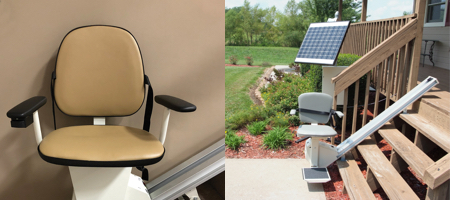
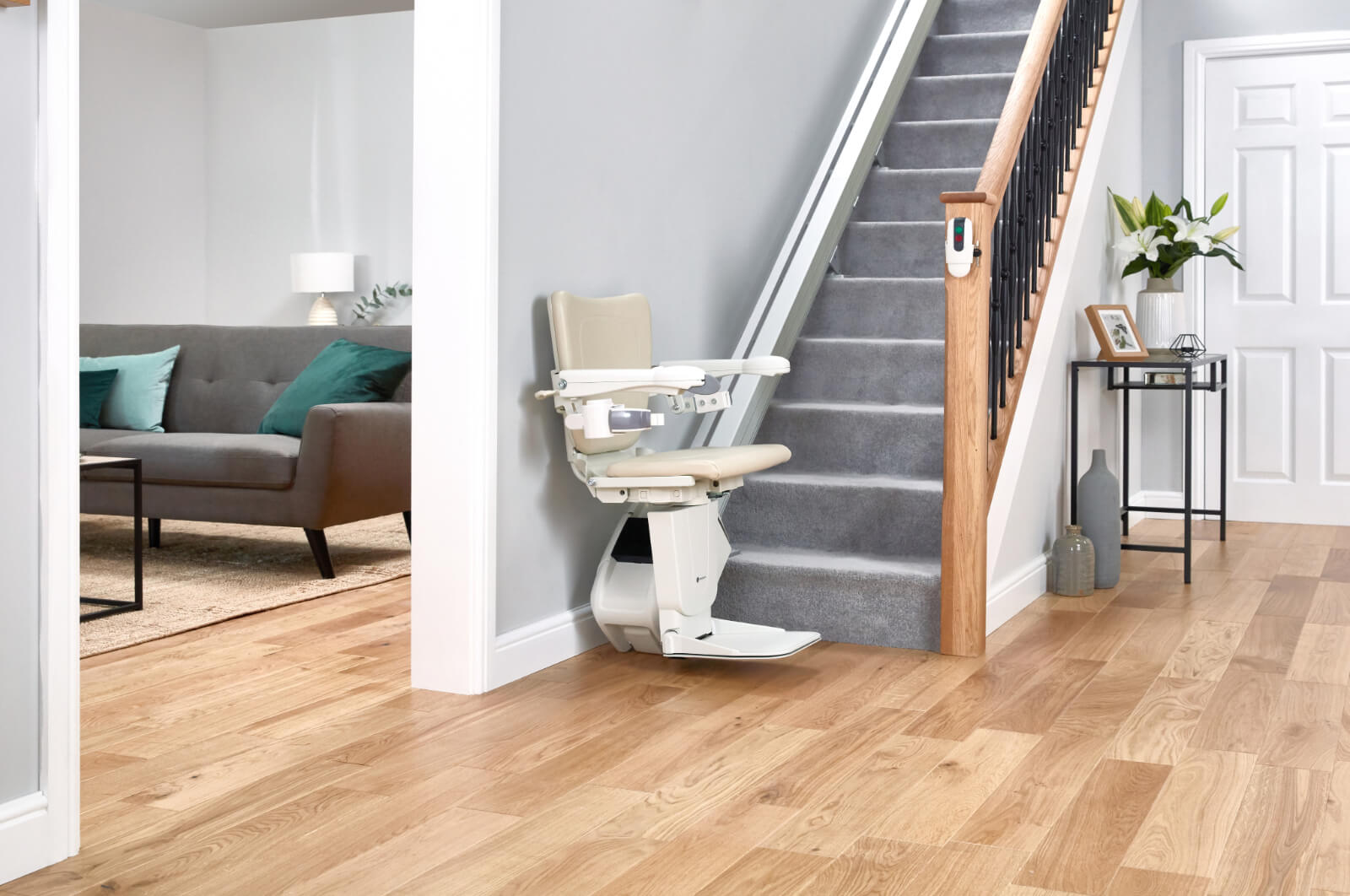
Aging-in-place project costs in North Carolina are generally aligned with or slightly below national averages, though prices in the Charlotte and Raleigh-Durham metro areas may run closer to national norms. Typical ranges: grab bar installation $150–$500 depending on the number of bars and wall blocking needed; tub-to-shower conversion $5,000–$15,000; straight stairlift $3,000–$8,000 or curved stairlift $8,000–$15,000; full accessible bathroom remodel $10,000–$25,000. Scope, materials, and contractor availability all influence final cost. Always request multiple written quotes before committing to a contractor.
Top Contractors in North Carolina



Resources for Families in North Carolina
Frequently Asked Questions
How many aging-in-place contractors are in North Carolina?
There are 10 aging-in-place contractors listed in North Carolina on Aging-in-Place Finder.
What is a CAPS-certified contractor?
CAPS stands for Certified Aging-in-Place Specialist, a designation issued by the National Association of Home Builders (NAHB). CAPS-certified contractors have completed specialized training in home modifications that help seniors and people with disabilities live safely and independently at home.
What services do aging-in-place contractors in North Carolina offer?
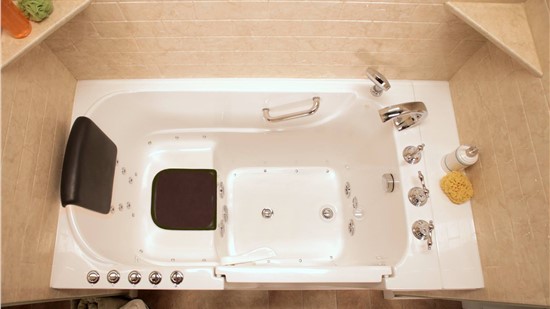
Aging-in-place contractors in North Carolina typically offer bathroom modifications (grab bars, walk-in showers, roll-in showers), stairlift and ramp installation, doorway widening, non-slip flooring, and full home accessibility assessments.
How much does aging-in-place home modification cost in North Carolina?
Costs vary by project scope. Simple modifications like grab bar installation typically range from $150–$500. Bathroom remodels for accessibility can cost $3,000–$15,000. Full home assessments and multi-room modifications can range from $10,000–$50,000+. Request free quotes from contractors listed above to get accurate estimates for your project.
What home modification programs are available in North Carolina?
North Carolina residents may have access to several funding sources. The Community Alternatives Program for Disabled Adults (CAP/DA), a Medicaid HCBS waiver, may cover home modifications for eligible low-income adults who qualify. Veterans can apply for federal VA grants such as the SAH, SHA, or HISA benefit regardless of state. Nonprofits like Rebuilding Together and local Habitat for Humanity chapters sometimes assist income-qualifying homeowners. Contact your local Area Agency on Aging or county Department of Social Services to find programs available in your specific region of North Carolina.
Does Medicare cover home modifications in North Carolina?
Original Medicare (Parts A and B) generally does not cover home modifications such as grab bars, ramps, or stairlifts, as these are considered home improvements rather than medical equipment. However, some Medicare Advantage plans available in North Carolina include supplemental benefits that may contribute toward certain home safety modifications. Coverage varies significantly by plan and insurer. Review your specific plan's evidence of coverage or call your plan's member services line to ask whether home modification benefits are included for the current plan year.
How do I find a CAPS-certified contractor in North Carolina?
Use this directory's search or filter tools to identify contractors in North Carolina who hold the Certified Aging-in-Place Specialist (CAPS) credential from the National Association of Home Builders. CAPS training covers accessibility design, building code considerations, and client-centered remodeling practices. Once you identify candidates, verify that they hold a current North Carolina general contractor's license (issued by the NC Licensing Board for General Contractors) and carry liability and workers' compensation insurance. Request written estimates from at least two or three contractors before making a hiring decision.